
Guide
China-Ready Website Development & ICP License Guide
Master China-ready website development, ICP license requirements for foreign companies, Chinese hosting, and UI/UX best practices for Mainland users.
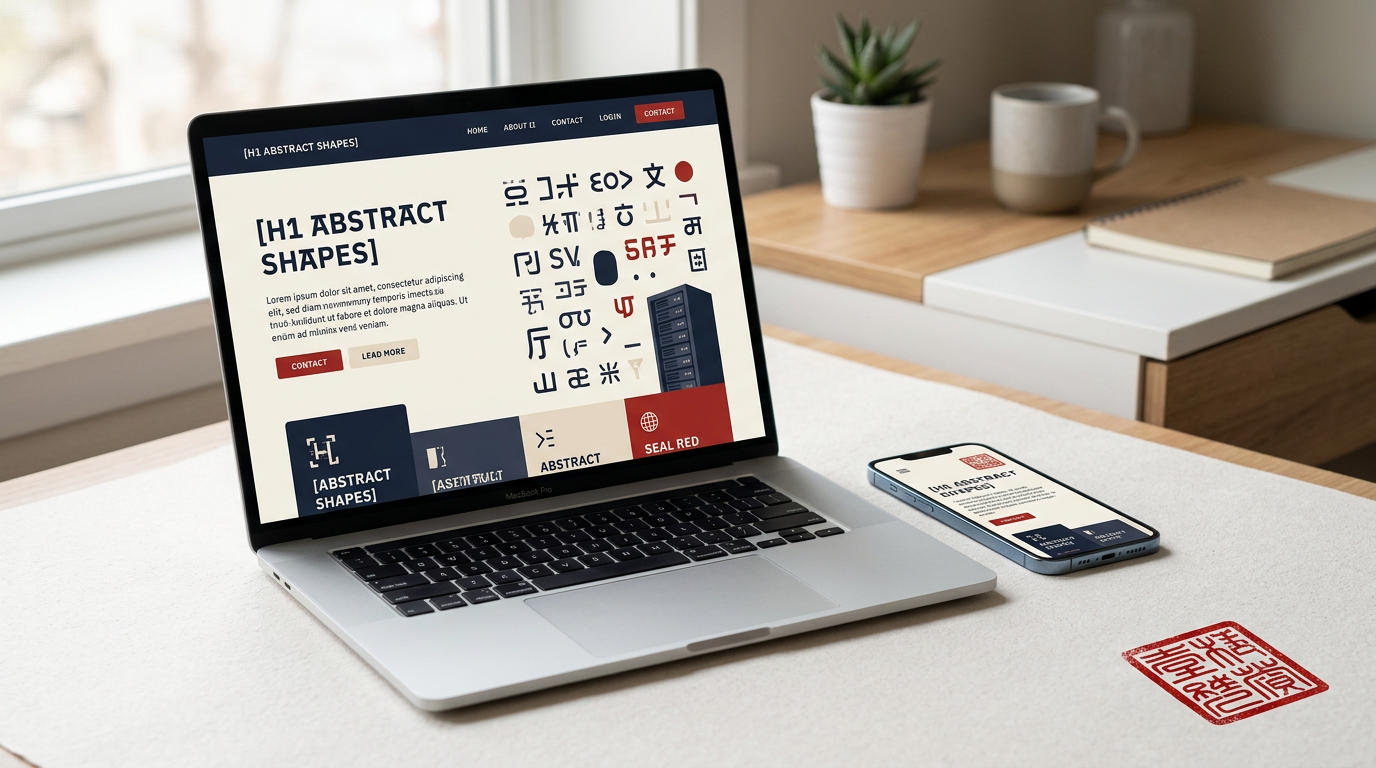
Entering the Chinese market requires more than translating your existing English website into Simplified Chinese. For overseas enterprises, launching a high-performing digital presence in Mainland China involves overcoming technical barriers, strict hosting regulations, and unique user behavioral patterns. Building a China-ready website ICP compliant platform is the crucial foundation of your entire cross-border digital strategy.
When global brands deploy standard websites without localized architecture, they often face loading speeds exceeding 20 seconds, missing resources, broken layouts, or outright connection blocks. These technical failures lead to high bounce rates and damage brand credibility before prospective buyers or distributors can evaluate your offerings.
This comprehensive guide breaks down the core technical, regulatory, and design requirements for successful bilingual website development in China. You will learn why Western websites fail behind the Great Firewall, how to navigate ICP filing and hosting options, and how to build a digital platform tailored to Chinese user habits.
Why Standard Western Websites Fail Behind the Great Firewall
The architecture powering modern Western websites relies heavily on globally distributed infrastructure, external APIs, and shared third-party libraries. Behind China's National Firewall (commonly referred to as the Great Firewall), these standard web design dependencies create critical points of failure.
Third-Party Dependencies and Blocked Assets
Most global websites depend on third-party services that are throttled or entirely inaccessible within Mainland China. When a browser in Shanghai or Beijing attempts to load your page, it stalls while trying to fetch blocked external scripts.
Common Western Asset               Impact in Mainland China
──────────────────────────────────────────────────────────────────────────
Google Fonts / Google Maps         Permanent connection timeout (30s+ hang)
reCAPTCHA v2 / v3                  Forms fail to render or submit
Vimeo / YouTube Embeds             Broken media containers and empty blocks
Stripe / PayPal standard JS        Asset loading delays and checkout errors
Meta Pixel / Google Tag Manager    Analytics failure, blocking page render
To deliver a functional experience, your site must replace or eliminate these dependencies. You can read more about avoiding these common architectural pitfalls in our guide on Why Global Marketing Fails in China: 5 Critical Blockers and How to Fix Them.
Server Latency and Packet Loss
Hosting your website on North American or European servers introduces massive physical latency when accessed from China. Cross-border internet traffic must pass through limited international gateways, which often causes packet loss and slow, unstable page loads during peak hours.
Even if an overseas server is technically accessible, average Time to First Byte (TTFB) frequently exceeds 3,000 milliseconds. For commercial B2B clients and discerning consumer shoppers, these delays cause immediate abandonment.
Essential Requirements for ICP Filing and Mainland China Hosting
To host a website on servers physically located inside Mainland China, legal compliance requires an Internet Content Provider (ICP) registration managed by China's Ministry of Industry and Information Technology (MIIT).
   ┌────────────────────────────────────────────────────────┐
   │             Choose Your Hosting Strategy               │
   └──────────────────────────┬─────────────────────────────┘
                              │
             ┌────────────────┴────────────────┐
             ▼                                 ▼
   ┌──────────────────┐              ┌──────────────────┐
   │ Mainland Hosting │              │ Nearshore / CDN  │
   │ (Requires ICP)   │              │ (No ICP Needed)  │
   └────────┬─────────┘              └────────┬─────────┘
            │                                 │
     Requires China Entity             Fast Global CDN Edge
     Lowest Latency (~20ms)            Lower Overhead (~80ms)
     Full Baidu SEO Authority          Rapid Time-to-Market
Understanding ICP Bei'an vs. Commercial ICP License
There are two distinct types of ICP certifications in China, and understanding the difference is essential:
- ICP Bei'an (ICP Filing / ICP 备案): A mandatory baseline registration for all informational, non-transactional websites hosted on Mainland Chinese servers. It functions as a legal permit to display content.
- Commercial ICP (ICP License / 增值电信业务经营许可证): Required specifically for transactional platforms, online marketplaces, and platforms offering paid online services or direct e-commerce transactions on Mainland infrastructure.
For foreign companies without a registered domestic Chinese business entity, acquiring an ICP license for a foreign company directly can be complex. An ICP Bei'an generally requires a local business license or a registered Chinese subsidiary/WFOE (Wholly Foreign-Owned Enterprise).
Practical China Web Hosting Solutions for Foreign Brands
If your business does not have a physical Chinese legal entity, you still have viable hosting pathways:
- Nearshore Hosting (Hong Kong / Singapore with CN2 GIA Routing): Hosting on high-speed Hong Kong nodes connected via China Telecom's CN2 GIA direct transit delivers sub-80ms latency to Mainland cities without requiring an immediate ICP filing.
- Domestic Partner / WFOE Sponsorship: Foreign brands operating through trusted local partners or agents can file for an ICP Bei'an under that entity's registration.
- Hybrid CDN Architectures: Deploying an origin server in Hong Kong combined with global edge nodes optimized for Asia-Pacific traffic ensures balanced cross-border performance.
To determine which hosting architecture fits your current expansion stage, take our free China Market Readiness Diagnostic to assess your technical and regulatory requirements.
Bilingual UX/UI Design Optimized for Chinese User Behavior
Localizing a website for the Chinese market requires structural redesign rather than simple word-for-word translation. Chinese digital users interact with user interfaces differently from North American and European audiences.
Design Element         Western UX Standard              Chinese UX Standard
──────────────────────────────────────────────────────────────────────────
Navigation Structure   Minimalist, heavy white space    Dense, portal-style navigation
User Authentication    Email address & password         Mobile phone number + SMS OTP / WeChat QR
Customer Support       Email ticket / Contact form      Instant live chat (WeChat / Enterprise WeChat)
Social Integration     LinkedIn, X, Instagram           WeChat Mini-Programs, Xiaohongshu, Douyin
Mobile-First Ecosystem and Information Density
China's digital landscape transitioned directly to mobile devices. Most Chinese internet users access digital services primarily via smartphones. Chinese typography (Simplified Chinese characters) conveys meaning compactly, allowing users to scan dense information architecture efficiently without feeling overwhelmed.
Key layout principles for Mainland audiences include:
- High Visual Hierarchy: Prominent product specifications, clear certifications, and instant trust badges.
- Scannable Content Blocks: Clear modular cards highlighting company history, technical capabilities, and direct contact details.
- WeChat Ecosystem Integration: Embedded QR codes allowing users to scan and follow your WeChat Official Account or message sales representatives directly.
To establish broader brand credibility alongside your website, explore our walkthrough on Baidu Baike Setup & Brand Verification for Overseas Companies.
Technical Integration: Chinese CDNs, Payment Gateways, and Analytics
A robust bilingual website development China build must replace Western infrastructure components with localized Chinese alternatives.
┌───────────────────────────────────────────────────────────────────────┐
│                      Modern China Web Tech Stack                      │
├───────────────────┬───────────────────┬───────────────────────────────┤
│ Infrastructure    │ Payment Gateways  │ Search & Social APIs          │
├───────────────────┼───────────────────┼───────────────────────────────┤
│ • Alibaba Cloud   │ • WeChat Pay API  │ • Baidu Webmaster Tools       │
│ • Tencent Cloud   │ • Alipay Direct   │ • WeChat JS-SDK               │
│ • Baidu Cloud CDN │ • UnionPay Secure │ • Douyin Open Platform        │
└───────────────────┴───────────────────┴───────────────────────────────┘
Search Engine Optimization and Analytics Integration
Google is largely inaccessible in mainland China and holds only a marginal share of search traffic. To capture search demand, your website must be tailored for domestic search engines, primarily Baidu.
- Baidu Webmaster Verification: Submit your sitemap directly to Baidu Ziyuan (Baidu Resource Platform) using clean HTML meta tags and verified token configurations.
- Domestic Analytics: Replace Google Analytics with domestic alternatives like Baidu Tongji or self-hosted, privacy-compliant solutions (such as Matomo) hosted on nearby nodes to prevent tracking lag.
- AI Search Readiness: Ensure your content is crawlable by next-generation Chinese AI engines. For specialized advice, read our analysis on China AI Search Optimization (GEO): Get Recommended by Doubao, ERNIE & DeepSeek.
Payment Gateway Integrations
If your site handles direct transactions, integrating domestic Chinese payment methods is essential. Credit cards (Visa, MasterCard, Amex) have low penetration for domestic online purchases compared to mobile wallets.
- WeChat Pay & Alipay: These two platforms account for the vast majority of mobile digital transactions in China. Cross-border API solutions allow overseas entities to settle payments directly into foreign currency accounts without a local Chinese entity.
- UnionPay Cross-Border: Provides broad debit and credit processing for B2B transactions and high-value orders.
To explore all-in-one execution packages that include web localization, hosting setup, and social media verification, review our Transparent Pricing & Packages.
Frequently Asked Questions
Can an overseas business get an ICP license without a Chinese entity?
A standard Mainland ICP Bei'an requires a registered Chinese business entity (such as a WFOE, Joint Venture, or domestic partner). However, foreign brands can achieve fast loading speeds by hosting on high-performance nearshore nodes in Hong Kong using CN2 GIA direct routing, which does not require an ICP filing.
Why does my English website load slowly in China even with a global CDN?
Standard global CDNs route traffic through general international bandwidth corridors, which suffer from severe throttling, latency spikes, and packet filtering at Chinese network gateways. Furthermore, blocked third-party assets (such as Google Fonts or Vimeo embeds) cause browser rendering to freeze.
How does Baidu SEO differ from Google SEO for technical site builds?
Baidu places heavy ranking emphasis on physical server proximity (preferring Mainland or Hong Kong servers), fast TTFB, Simplified Chinese metadata, explicit encoding headers (UTF-8), and clean, flat site architectures with minimal client-side JavaScript rendering.
Launch Your China-Ready Website
Building a high-performing digital presence in China requires balancing technical optimization, regulatory compliance, and localized design. By eliminating blocked third-party dependencies, selecting the right hosting pathway, and designing for Chinese consumer behavior, your brand can build trust and drive conversions in the world's largest digital market.
At TRYBIT WEBTECH, we help overseas brands design and deploy high-speed, bilingual websites backed by strategic hosting, Baidu SEO, and full digital ecosystem integration.
Ready to see how your current digital setup performs in Mainland China? Use our China Market Readiness Diagnostic today for a complete evaluation of your website speed, compliance, and market readiness.