
Guide
Imported Wine & Spirits Marketing in China: Proven Digital Playbook
Master wine marketing in China with our actionable digital playbook. Learn Xiaohongshu promotion, WeChat branding, and Baidu verification for foreign wineries.
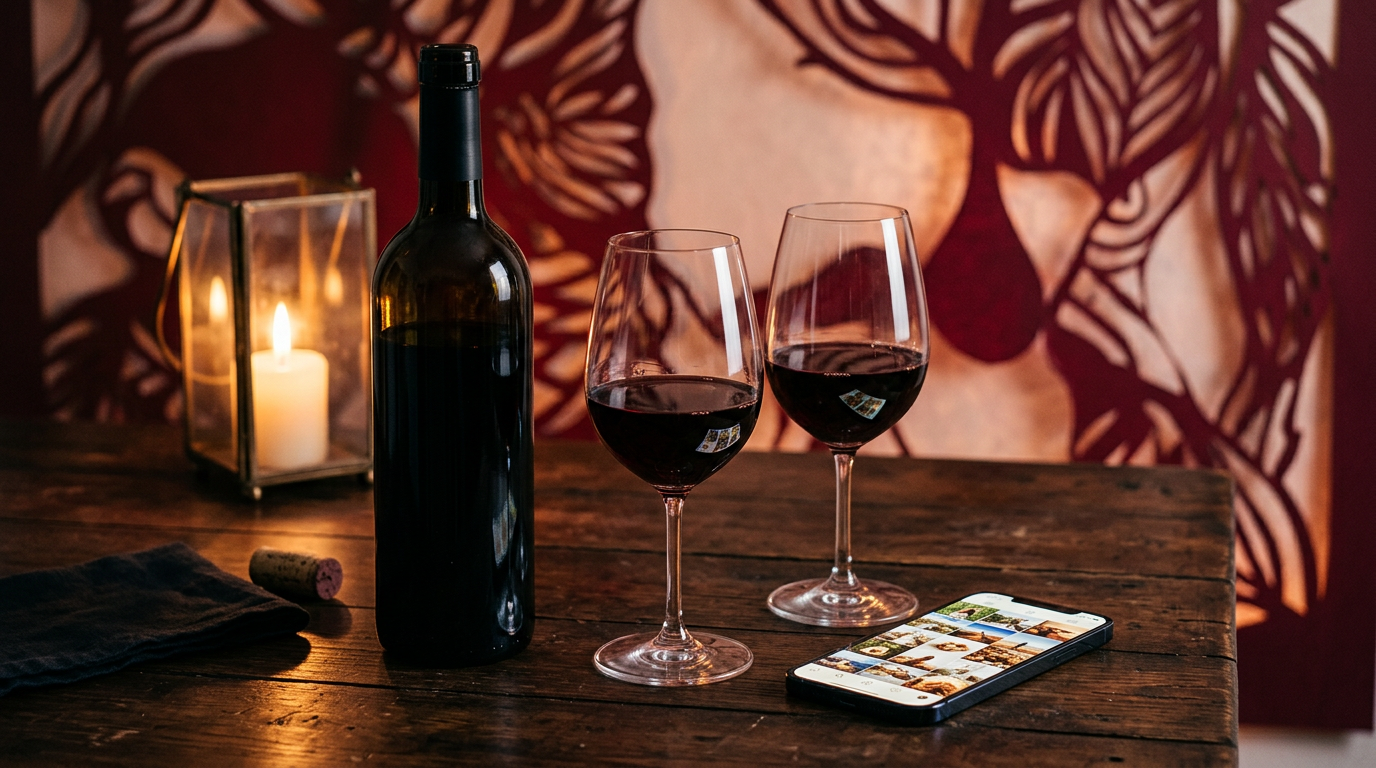
Executing successful wine marketing in China requires overseas producers to abandon traditional Western distribution assumptions. For decades, foreign wineries relied solely on traditional importers and trade fairs. Today, Chinese consumers discover, research, and evaluate imported beverages through specialized domestic digital ecosystems.
Without an established digital presence on platforms like Xiaohongshu, WeChat, and Baidu, foreign wine brands struggle to build brand equity or support their local distributors. Chinese wine drinkers demand authenticity, traceable heritage, and culturally resonant storytelling before making a purchase.
This guide outlines an actionable digital playbook for independent wineries, distillers, and beverage brands entering the Chinese market. You will learn how consumer habits have shifted, how to leverage lifestyle platforms for organic visibility, and how to build verifiable brand authority.
Current Trends and Consumption Habits in China's Imported Wine Market
China's imported beverage landscape has shifted from formal banquet gifting to personal lifestyle consumption. Understanding these evolving dynamics is essential for any successful foreign wine brand entry in China.
Traditional Market (Pre-2020)       Modern Digital Market (2026)
----------------------------       ----------------------------
• Government & corporate banquets  • Casual home dining & solo drinking
• Heavy prestige gifting           • Gen Z & millennial lifestyle pairing
• Opaque offline distribution      • Social-first research (RED / Douyin)
• Bordeaux-dominated selection     • High curiosity for New World & boutique
The Rise of Millennial and Gen Z Consumers
Younger urban demographics in Tier 1 and Tier 2 cities now drive imported wine growth. Unlike older generations who favored status-heavy traditional labels, younger consumers seek approachable varietals, organic viticulture, and distinct terroir narratives. They view wine as an affordable luxury and an expression of personal taste rather than purely a corporate networking tool.
Home Consumption and "Self-Pleasing" Culture
The trend toward Yueli (pleasing oneself) has accelerated home consumption. Smaller formats, accessible screw caps, and food-friendly profiles perform well among young professionals. Digital marketing campaigns that position wine alongside everyday home dining, camping, and intimate social gatherings resonate far more effectively than rigid, technical tasting notes.
The Shift Toward Omnichannel Verification
Before purchasing a bottle at a wine bar, boutique grocer, or e-commerce shop, Chinese consumers conduct quick smartphone checks. If a search on Xiaohongshu or Baidu yields zero official brand information or verified profiles, trust drops immediately. Digital presence serves as the baseline validation for offline and online sales alike.
Leveraging Xiaohongshu (RED) for Lifestyle Storytelling and KOL Seeding
Xiaohongshu (Little Red Book) is China’s premier lifestyle discovery platform and the undisputed hub for China beverage digital marketing. It operates like an visual search engine where a large, largely urban audience seeks product recommendations, food pairings, and aesthetic lifestyle inspiration.
+------------------------------------------------------------------+
|                   Xiaohongshu Wine Discovery Funnel              |
+------------------------------------------------------------------+
| 1. Visual Discovery   --> Aesthetic lifestyle imagery & pairings |
| 2. Search & Validate  --> User reviews & Key Opinion Consumer notes |
| 3. Brand Immersion    --> Official Blue-V brand account profile  |
| 4. Channel Conversion --> Direct link to distributor or offline  |
+------------------------------------------------------------------+
De-snobbifying Wine Terminology
Traditional Western wine education often alienates casual Chinese consumers with complex jargon. Successful Xiaohongshu wine promotion translates technical viticulture into visual, emotional vignettes:
- Aromas as Everyday Sensations: Describe tasting notes using relatable local references (e.g., Chinese red dates, osmanthus, or lychee alongside blackberry and oak).
- Visual Occasion Pairing: Create content around specific moments, such as "Friday evening unwinding," "Hotpot and chilled white wine," or "Glamping picnic essentials."
- Accessible Guides: Publish infographic-style carousels explaining pronunciation, optimal serving temperatures, and glassware basics.
Structured KOC and Micro-Influencer Seeding
Rather than spending massive budgets on celebrity endorsers, boutique brands achieve higher ROI through decentralized seeding campaigns with Key Opinion Consumers (KOCs).
- Identify Niche Creators: Partner with lifestyle, culinary, and young sommelier creators with 5,000 to 50,000 engaged followers.
- Product Seeding Kits: Send beautifully packaged tasting sets accompanied by aesthetic tasting cards and brand origin stories.
- Encourage Organic Notes: Encourage authentic reviews (Biji) detailing the visual aesthetic of the bottle, opening experience, and candid pairing notes.
To maximize these campaigns, brands should run coordinated accounts across visual channels. Learn more in our guide on Complete China Social Media Setup & Operations: WeChat, Xiaohongshu & Douyin.
Building Official Brand Credibility with WeChat, Baidu, and AI Search
Social buzz generates interest, but infrastructure converts that interest into long-term commercial credibility. When importers, sommeliers, and consumers look up your brand, your official assets must be rock-solid.
                      +-----------------------------+
                      |   Official Brand Assets     |
                      +--------------+--------------+
                                     |
         +---------------------------+---------------------------+
         |                           |                           |
+--------v--------+         +--------v--------+         +--------v--------+
|  WeChat Service |         |   Baidu Baike   |         |   China-Ready   |
|     Account     |         |   Brand Wiki    |         | Website (ICP)   |
| (Interactive    |         | (Authoritative  |         | (Fast Local     |
| Brand Portal)   |         | Verification)   |         | Loading & SEO)  |
+-----------------+         +-----------------+         +-----------------+
The WeChat Ecosystem as Your Digital Flagship
A verified WeChat Official Account (Enterprise Account with Blue-V verification) acts as your brand’s official digital headquarters in China.
- Brand Story Hub: Publish in-depth articles on vineyard history, sustainable farming practices, and winemaking philosophy.
- Interactive Menu Bars: Build interactive menus allowing users to explore vintage catalogues, locate authorized retail stockists, or verify bottle authenticity via QR code.
- Distributor Enablement: Provide sales kits, digital brochures, and event calendars directly to your Chinese commercial partners.
Baidu Baike and Local Search Presence
Baidu remains the dominant search engine for corporate due diligence in China. Securing an official Baidu Baike entry—the Chinese equivalent of Wikipedia—delivers instant institutional credibility. Setting up your wiki entry requires proper corporate documentation, as outlined in our guide to Baidu Baike Setup & Brand Verification for Overseas Companies.
Localized Web Infrastructure and AI Search Visibility
A standard Western website hosted outside mainland China often fails to load properly behind the Great Firewall. Wineries must deploy high-speed, localized bilingual portals. Discover the prerequisites in our detailed breakdown of China-Ready Website Development & ICP License Consulting for Foreign Brands.
Furthermore, Chinese consumers increasingly use native AI search assistants like Doubao and Baidu ERNIE Bot to compare vintages and regions. Ensuring your brand's structured information is indexed across Chinese databases guarantees your wines are accurately recommended in AI-driven queries.
Case Study: How Heritage Wineries Establish Digital Footholds in China
Historic wineries worldwide face a common dilemma: exceptional heritage in their home markets, but near-zero digital visibility across Chinese social platforms.
+----------------------------------------------------------------------+
|             Heritage Winery Digital Normalization Framework          |
+----------------------------------------------------------------------+
|  Phase 1: Foundation (WeChat Blue-V + Baidu Baike + Local Portal)    |
|  Phase 2: Content (Xiaohongshu Lifestyle Seeding + Terroir Stories)  |
|  Phase 3: Activation (B2B Distributor Assets + AI Search Presence)   |
+----------------------------------------------------------------------+
Historic estates—such as Chilean heritage producers like Viña Santa Rita (founded in the Maipo Valley in 1880) and Viña Carmen (founded in Alto Maipo in 1850), as well as historic Argentine producers like Bodega Luigi Bosca (founded in Luján de Cuyo, Mendoza, in 1901)—illustrate the importance of systematic brand localization.
The Challenge of Translating Legacy
Centuries of viticultural prestige do not automatically carry over to Chinese search algorithms. Without active digital management:
- Chinese translations of winery names and vineyards often become fragmented across disparate grey-market listings.
- Distributors lack standardized, official digital collateral to present to high-end restaurants and retail buyers.
- Direct-to-consumer discovery remains bottle-necked at point-of-sale displays.
The Strategic Solution
By deploying structured digital marketing setups, heritage producers secure their foundational narrative:
- Name Standardization: Registering official Chinese trademarks and establishing verified WeChat and Xiaohongshu accounts under consistent brand naming.
- Heritage Archiving: Building Baidu Baike entries documenting founding dates, regional geography (such as Maipo Valley and Mendoza), and signature grape varietals (such as Cabernet Sauvignon, Carmenère, and Malbec).
- Visual Asset Modernization: Repackaging centuries of winemaking heritage into snackable, high-resolution lifestyle content designed specifically for mobile feeds.
Launching Your Digital Playbook: Fixed-Price Packages vs Retainers
Foreign beverage brands entering China often assume they must commit to expensive, opaque agency retainers running tens of thousands of dollars per month. For overseas SMBs and boutique estates, this approach presents unnecessary financial risk.
| Feature / Model | Traditional Retainer Agency | Fixed-Price Launch Package |
|---|---|---|
| Initial Cost | Often high, open-ended retainers | Transparent, one-time ($1,500–$6,500) |
| Commitment | 6–12 month binding contracts | Single milestone delivery |
| Deliverables | Variable hours & vague reporting | Defined assets (Verified Accounts, ICP, Baike) |
| Operational Control | Owned by agency accounts | 100% owned directly by your brand |
| Flexibility | Rigid monthly retainers | Scale into monthly retainers only when ready |
For a comprehensive comparison of these structures, explore our guide on Fixed-Price Packages vs. Traditional Retainers: Choosing Your China Marketing Model.
Ready to see how your current digital setup scores? Evaluate your brand's presence with our free China Market Readiness Diagnostic, or review our transparent Pricing Packages to launch your brand assets.
Frequently Asked Questions
Can an overseas wine brand set up a verified WeChat Official Account without a Chinese entity?
Yes. Foreign companies can register and verify an official WeChat Enterprise Account using their overseas business registration documents. This enables full Blue-V enterprise verification, giving your winery official status and access to advanced API features.
How does Xiaohongshu differ from Instagram for wine marketing?
While Instagram relies heavily on aesthetics and follower feeds, Xiaohongshu functions primarily as an algorithmic recommendation and search engine. Content on Xiaohongshu has a significantly longer shelf life, as users actively search for terms like "best dry red under $50" or "pairing wine with Chinese cuisine" months after an article is published.
Is wine e-commerce mandatory before doing digital marketing in China?
No. In fact, driving digital awareness before opening an e-commerce storefront is often preferable. Digital brand building supports your existing offline distributors, builds brand pull, and ensures that when you do launch on platforms like Tmall or Douyin Store, consumers already recognize your label.
How long does it take to establish baseline digital assets for a foreign winery?
A standard digital foundation—including bilingual landing pages, verified WeChat and Xiaohongshu accounts, and Baidu Baike submission—typically takes between 4 to 8 weeks depending on business verification processing times.
Conclusion: Build Your China Beverage Presence Today
Entering China's imported wine and spirits market no longer requires massive physical delegations or outsized agency retainers. By focusing on essential digital infrastructure—verified social accounts, authentic lifestyle seeding on Xiaohongshu, authoritative Baidu search profiles, and localized web hosting—independent wineries can build lasting brand equity.
Begin by securing your official digital assets and establishing your brand narrative on the channels where Chinese consumers actively discover new tastes.
Take the first step in assessing your brand's cross-border readiness with our Free China Market Readiness Diagnostic, or explore our complete suite of China Digital Services to build your digital footprint today.